

Learn
What Is Grounding (Earthing)? Benefits, Science & Sleep Explained
What Is Grounding? 7 Sleep & Recovery Benefits Explained Grounding, also called earthing, is the practice of reconnecting your body to the Earth’s natural electrical
Earthing sheets are an increasingly popular wellness product, designed to bring the natural benefits of grounding into your home. If you’ve ever walked barefoot on grass, sand, or soil, you might have experienced a sense of calm or rejuvenation. This is the essence of grounding—a simple practice where your body absorbs the Earth’s natural energy to reduce stress, improve sleep, and promote overall wellbeing. Earthing sheets make it possible to enjoy these benefits from the comfort of your own bed.
But how do you know your earthing sheet is working as it should? Like any product, earthing sheets need to be properly set up and connected to the Earth to function effectively. If your grounding connection isn’t secure, you might not be experiencing the full benefits of your sheet. This is where testing comes in. By using a multimeter, you can easily check the conductivity of your earthing sheet and ensure it’s delivering the grounding benefits you’re counting on.
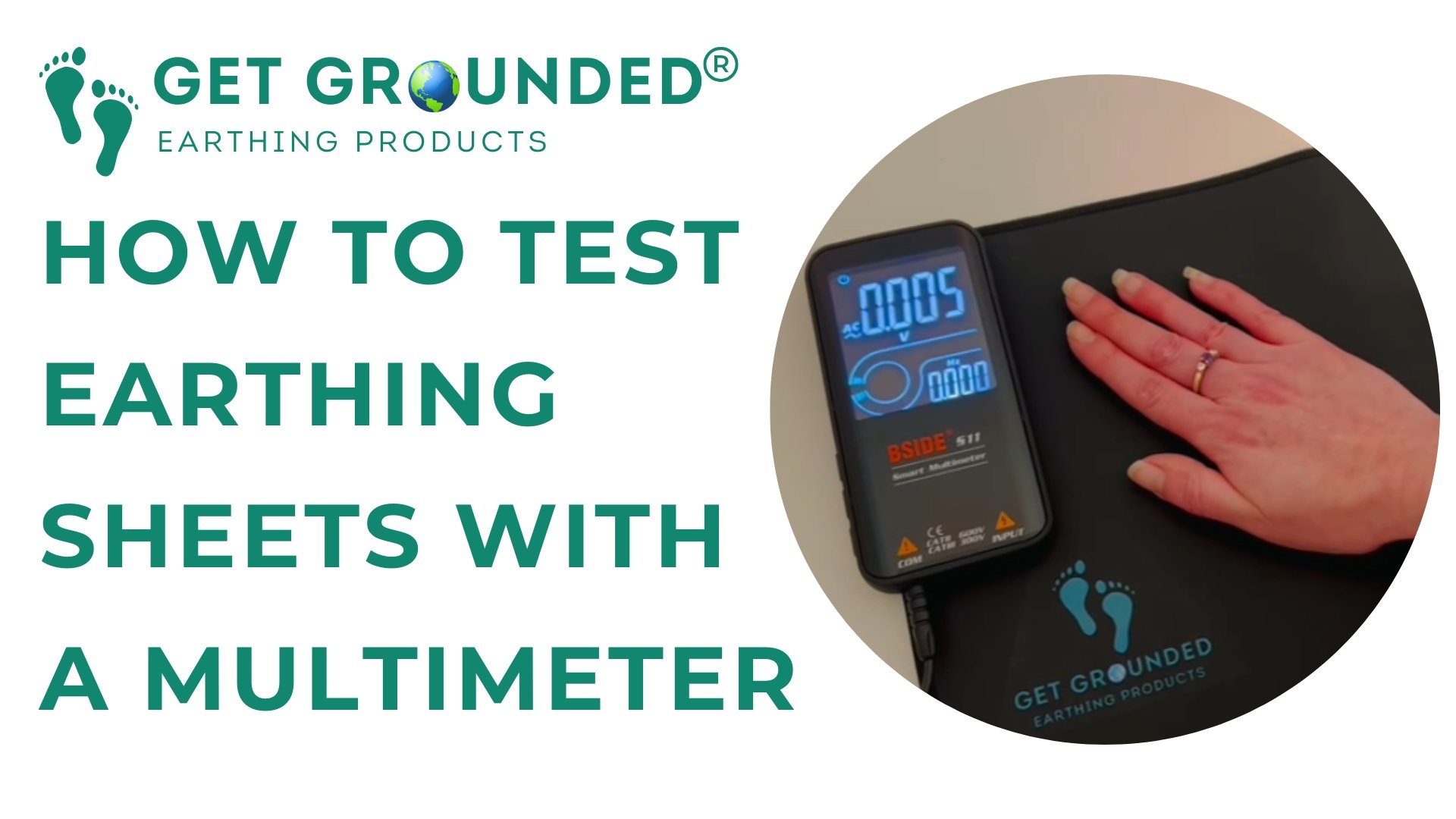
A multimeter is a versatile tool commonly used in electronics to measure voltage, current, and resistance. When it comes to earthing sheets, it helps you verify whether the conductive materials in the sheet are working correctly and if your grounding connection is properly established. Without this step, you might unknowingly miss out on the restorative effects that grounding offers.
Testing your earthing sheet isn’t just about troubleshooting—it’s about peace of mind. By confirming your sheet’s functionality, you can sleep soundly knowing you’re receiving the grounding benefits your body needs. Regular testing also helps you maintain the quality and longevity of your earthing products, ensuring you get the most value from your investment.
In this comprehensive guide, we’ll walk you through everything you need to know about testing your earthing sheet with a multimeter. Whether you’re a new user or a grounding enthusiast, this process will help you understand how to keep your earthing products working at their best. We’ll cover why testing is important, what tools you’ll need, and step-by-step instructions to test your sheet’s conductivity and grounding connection.
So, if you’ve ever wondered whether your earthing sheet is doing its job—or if you simply want to optimise your grounding experience—this guide is for you. Let’s dive into the details and help you get the most out of your grounding journey.
Looking for premium earthing products? Check out our Get Grounded shop for high-quality sheets, mats, and accessories to support your wellness routine!
An earthing sheet is a specially designed sheet made with conductive materials, such as silver threads, that allows you to connect to the Earth’s energy while you sleep. By plugging the sheet into a grounded outlet or using an earthing rod outdoors, your body absorbs electrons from the Earth, which can neutralise free radicals and reduce inflammation.
Earthing sheets are a fantastic tool for improving sleep quality, reducing stress, and even aiding recovery from physical activity. However, ensuring that your sheet is properly grounded is key to enjoying these benefits.
Not using an earthing sheet yet? Explore our range of high-quality grounding products in the Get Grounded shop today!
Testing your earthing sheet is essential for a few reasons:
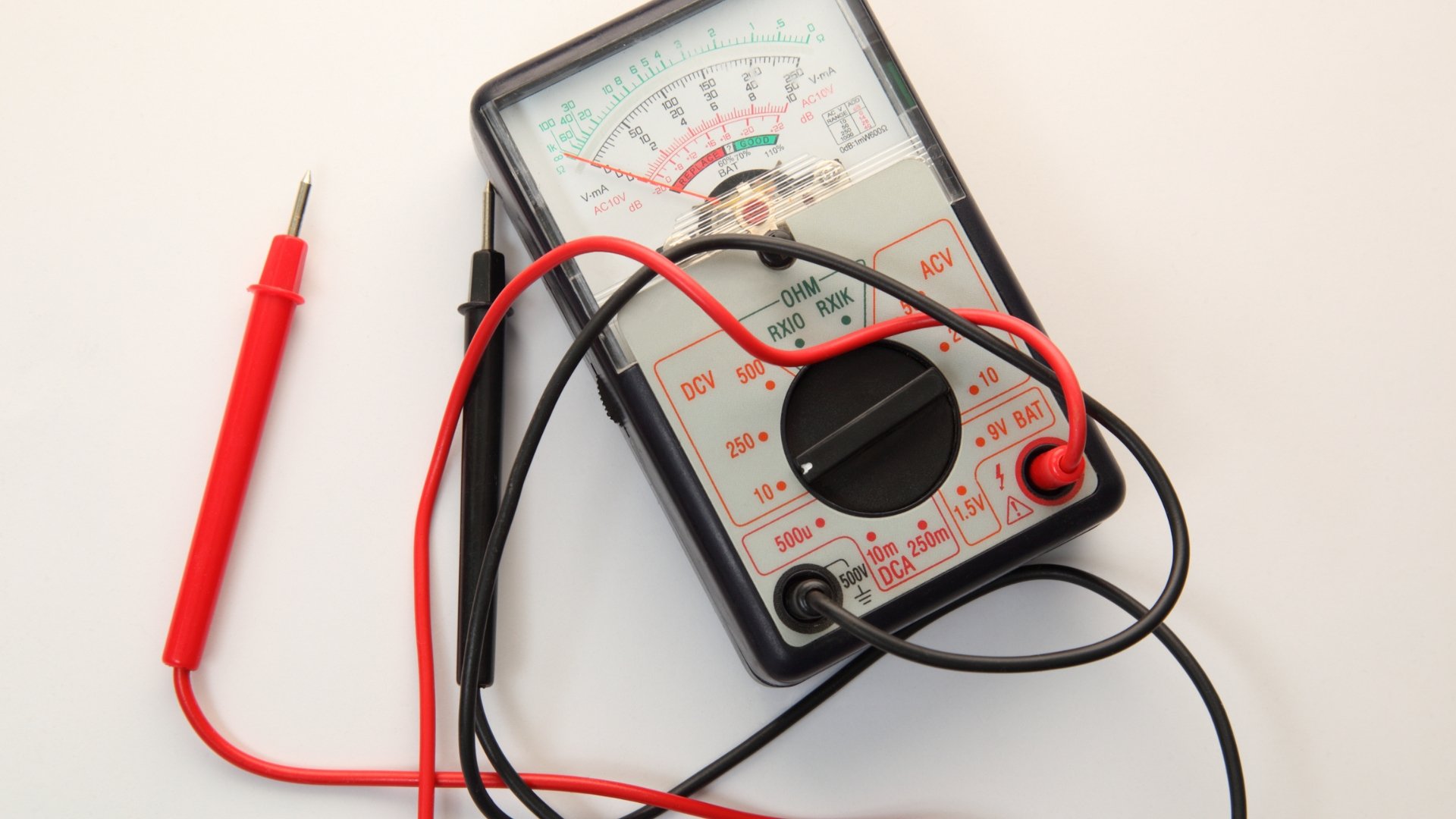
A multimeter is the perfect tool for this task, providing accurate and reliable results.
A multimeter is an electronic device used to measure voltage, current, and resistance. For testing earthing sheets, you’ll primarily use it to measure resistance, ensuring that the sheet is properly conductive and connected to the Earth. Multimeters are widely available online or at hardware stores and are a great investment for anyone using grounding products.
Testing your earthing sheet with a multimeter is a straightforward process. Follow these steps:
Before starting, you’ll need:
Pro Tip: Ensure the multimeter is functioning properly by testing it with a known conductive surface.

Need a replacement grounding cord or an earthing rod? Visit the Get Grounded shop for all your grounding accessories.
If your multimeter shows high resistance or no conductivity, try these steps:

To ensure your earthing sheet remains effective:
At Get Grounded, we specialise in premium earthing sheets that are durable, effective, and easy to use. Our products are rigorously tested to ensure they deliver maximum grounding benefits. When you choose Get Grounded, you’re choosing quality you can trust.
Ready to experience the benefits of grounding? Shop our range of earthing sheets and accessories at Get Grounded today!

Instagram: https://www.instagram.com/getgrounded_uk/
Facebook: https://www.facebook.com/getgrounding
TikTok: https://www.tiktok.com/@get_grounded
Testing your earthing sheet is an essential step to ensure you’re getting the full benefits of grounding, and using a multimeter is one of the most reliable ways to do so. As highlighted in this guide, “How to Test Earthing Sheets with a Multimeter,” checking the conductivity of your sheet and the integrity of the grounding connection can make all the difference in maximising your wellness journey. By regularly performing the steps outlined in “How to Test Earthing Sheets with a Multimeter,” you’ll have peace of mind knowing your earthing sheet is functioning as intended, supporting your health, sleep, and recovery.
The process of testing earthing sheets is not just about ensuring functionality—it’s about deepening your connection to the Earth and enhancing your overall wellbeing. The simple act of grounding has been linked to numerous health benefits, and by following the advice in “How to Test Earthing Sheets with a Multimeter,” you’re taking an active step in maintaining that connection.
Whether you’re new to grounding or have been using earthing sheets for years, understanding how to test them with a multimeter allows you to make the most of your investment. Proper testing ensures you’re receiving the restorative benefits that earthing sheets are designed to provide. With the knowledge shared in “How to Test Earthing Sheets with a Multimeter,” you’re equipped to troubleshoot issues, maintain your sheet’s effectiveness, and enjoy uninterrupted grounding benefits.
At Get Grounded, we’re committed to helping you achieve better health and wellbeing through grounding. If you’ve found this guide, “How to Test Earthing Sheets with a Multimeter,” helpful, we encourage you to explore our full range of earthing products. From high-quality earthing sheets to grounding accessories, we have everything you need to enhance your grounding experience.
Take charge of your grounding journey today by applying the steps in “How to Test Earthing Sheets with a Multimeter,” and let the natural energy of the Earth support your body and mind. Ready to upgrade your wellness routine? Visit the Get Grounded shop to discover our premium earthing products and start your grounding journey with confidence.
By understanding and applying the principles in “How to Test Earthing Sheets with a Multimeter,” you’re ensuring that your grounding experience is effective, reliable, and beneficial for years to come. Let the Earth’s energy rejuvenate you, and enjoy the confidence that comes with knowing your earthing sheet is performing at its best.
The information provided in this blog post, “How to Test Earthing Sheets with a Multimeter”, is intended for informational purposes only and should not be considered a substitute for professional advice or guidance. While we strive to ensure the accuracy of the instructions and details shared in “How to Test Earthing Sheets with a Multimeter,” individual results may vary, and specific outcomes are not guaranteed.
Testing earthing sheets with a multimeter requires basic knowledge of how to use the device safely. If you are unsure about any steps outlined in “How to Test Earthing Sheets with a Multimeter,” or if you encounter issues during the testing process, it is recommended to consult the product manufacturer or seek professional advice.
While grounding products like earthing sheets are designed to support health and wellbeing, the claims in “How to Test Earthing Sheets with a Multimeter” are based on anecdotal evidence and available research. This blog does not intend to diagnose, treat, cure, or prevent any medical conditions.
By following the instructions in “How to Test Earthing Sheets with a Multimeter,” you acknowledge that the use of grounding products and the testing methods described are at your own discretion and responsibility. Always prioritise safety and refer to the manufacturer’s guidelines when testing earthing sheets with a multimeter.
If you have any concerns about the safety of your grounding equipment or require clarification on the steps provided in “How to Test Earthing Sheets with a Multimeter,” contact the Get Grounded support team for assistance.
What Is Grounding? 7 Sleep & Recovery Benefits Explained Grounding, also called earthing, is the practice of reconnecting your body to the Earth’s natural electrical

5 Surprising Benefits of Sleeping Grounded You Haven’t Heard Before In the world of natural wellness, grounding — also known as earthing — has gained

9 Powerful Ways Earthing Sheets and Hormonal Balance Go Hand in Hand Introduction In today’s fast-paced world, many women face daily challenges related to stress,

6 Life-Changing Benefits of Grounding for Women Over 40 For women over 40, health priorities often shift — sleep becomes elusive, hormones fluctuate, and energy

♀️ 7 Surprising Ways Earthing Sheets Reduce Stress In a world that’s constantly on the go, stress is more than just a buzzword – it’s

5 Surprising Reasons Earthing Sheets Help Counter EMF Stress In today’s tech-heavy world, we’re constantly surrounded by invisible forces—Wi-Fi, mobile signals, Bluetooth, and all kinds
